



Energy is no longer a routine overhead for UK agriculture; it is now a key driver of profitability, resilience and long-term sustainability. With electricity prices still volatile and pressure mounting to decarbonise, more farms are investing in renewable technologies to take control of their energy supply.
 RenEnergy UK Ltd is helping farms make that transition through tailored solar PV and battery energy storage solutions designed specifically for agricultural operations. From grain drying and cold storage to livestock units and packhouses, farms are increasingly dependent on reliable electricity supplies. RenEnergy’s integrated approach enables businesses to reduce reliance on the grid, improve operational resilience and unlock long-term savings.
Rather than viewing energy as a fluctuating overhead, many farms are now treating it as a strategic business asset. RenEnergy supports this shift by combining technologies including roof-mounted and ground-mounted solar PV systems, solar PV vehicle ports with EV charging infrastructure and Battery Energy Storage Systems (BESS). Flexible financing options, including Power Purchase Agreements (PPAs), alongside post-installation asset management support, ensure each system is tailored to the individual farm’s infrastructure, operational requirements and future growth plans.
 Making the most of existing farm infrastructure
One of the major advantages of agricultural solar PV is the ability to utilise existing infrastructure. Farm buildings such as grain stores, livestock sheds and packing facilities can be transformed into energy-generating assets without affecting productivity. RenEnergy works closely with customers throughout installation to minimise disruption and ensure systems are aligned with seasonal workloads and operational demands.
Battery storage is also becoming an increasingly important part of farm electrification strategies. By storing excess solar energy for use during peak demand periods, farms can reduce exposure to high electricity tariffs, improve resilience during grid instability and even generate additional income through exporting surplus power back to the grid. For energy-intensive businesses, this can significantly improve both operational efficiency and financial performance.
Case Study: P.G. Rix Farms and Stourgarden
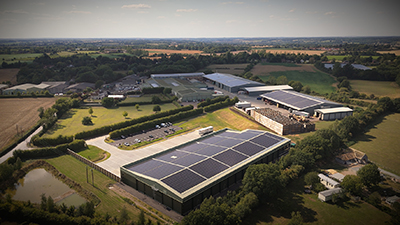
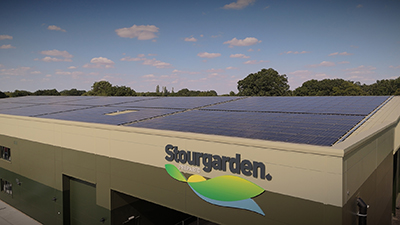
A strong example of this approach in action is P.G. Rix Farms and Stourgarden in Suffolk. Operating 364 days a year and supplying over 100,000 tonnes of onions annually, the business relies heavily on uninterrupted energy for drying, storage and processing operations. Working with RenEnergy, the business implemented a multi-phase renewable energy strategy that now includes 1.99MWp of installed solar capacity, 4,790 solar panels and 32 inverters. The system has helped stabilise energy costs, improve supply chain reliability and support the company’s sustainability goals.
 Meet the team at Cereals 2026
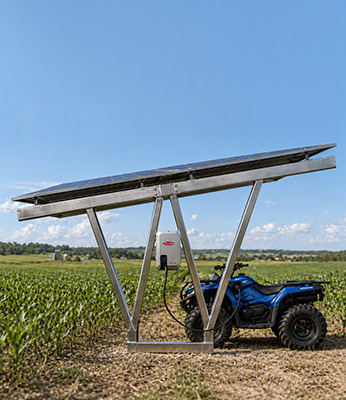
Cereals 2026 provides the perfect opportunity for farmers to explore how renewable energy technologies can support their businesses both now and in the future. RenEnergy will be showcasing its Solar PV Vehicle Port on Stand 232, and will be happy to discuss how renewable technologies can be applied across modern farming operations on your farm.
Seminar Spotlight: ‘Electrification of Farming: The Challenges + Opportunities’
RenEnergy’s Sales Director, Tom Lloyd, will also be delivering a seminar titled ‘Electrification of Farming: The Challenges + Opportunities’ on the Seed to Shelf Stage on Wednesday 10th June at 10:30am and Thursday 11th June at 2:30pm. The presentation will explore enhancing existing solar subsidies such as Feed-in Tariffs (FiTs), electrifying farm fleets and unlocking additional value through battery storage systems.
As farms continue to balance economic pressures with environmental responsibilities, renewable energy is increasingly proving to be a practical and commercially viable route to stronger, more resilient agricultural businesses. RenEnergy continues to support that transition with solutions designed around the realities of modern farming.
 Futureproofing farm businesses through energy independence
As agricultural businesses continue to modernise, electricity demand is only expected to rise. From automated grain handling systems and refrigeration to electric vehicles and future machinery electrification, farms are becoming increasingly energy dependent. This makes long-term energy planning more important than ever.
RenEnergy works with farming businesses to create systems that not only reduce immediate energy costs but also support long-term operational resilience and sustainability goals. By integrating solar PV generation with battery storage and smart energy management, farms can gain greater control over when and how energy is used across the business.
Grid constraints and connection delays are now a real barrier for many rural businesses. By generating and storing more power on-site, farms can protect critical operations during outages and reduce exposure to peak-price periods. This resilience is increasingly important for cold storage, drying, processing and livestock systems.
Tailored solutions for modern agriculture
No two farms operate in the same way, which is why RenEnergy takes a tailored approach to every project. Systems are designed around each farm’s infrastructure, energy profile, diversification plans and future ambitions. Whether installing roof-mounted solar on existing buildings or exploring opportunities for battery storage and EV charging infrastructure, the focus remains on delivering practical, commercially viable solutions that fit around day-to-day farming operations.
Please visit Stand 232.
T 01603 713448
info@renenergy.co.uk
www.renenergy.co.uk